How to Object and Annul Public Procurements in Turkey (2025 Legal Guide)
31 December 2025
Who Will Be Released Under Turkey’s 11th Judicial Reform Package?
31 December 2025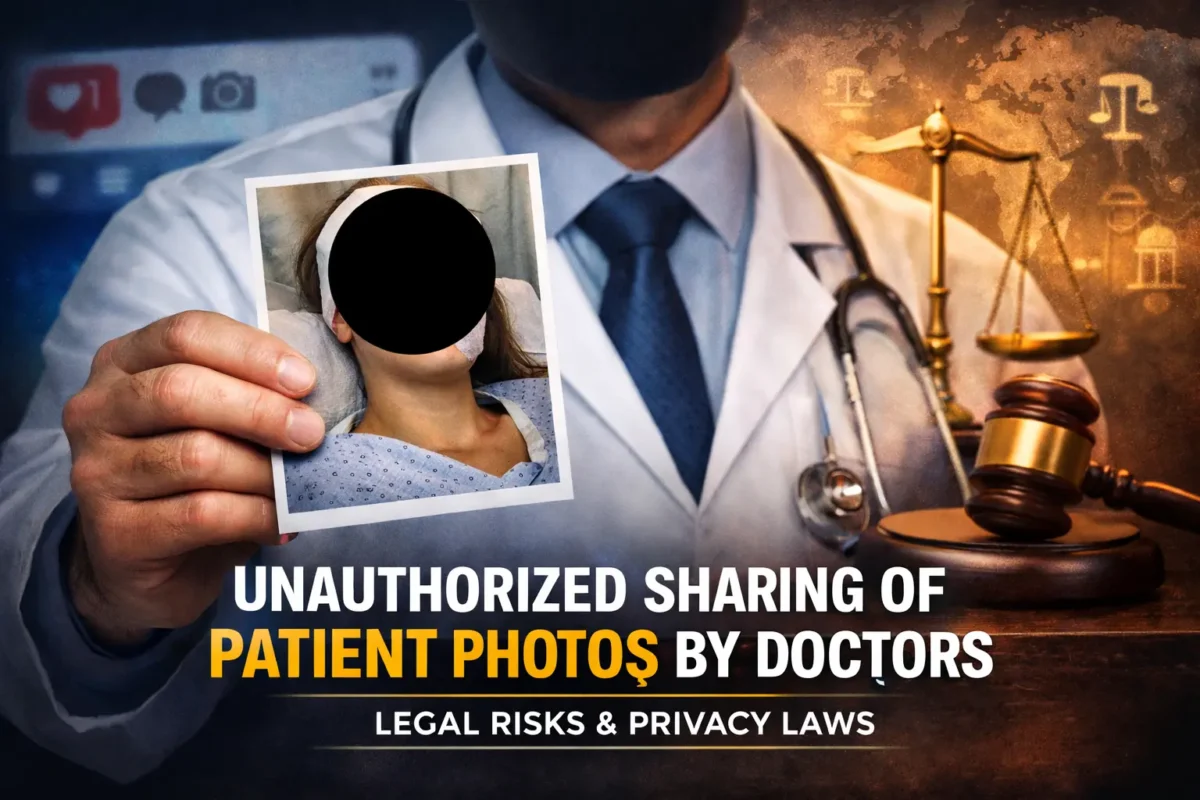
With the rise of social media and digital advertising, many doctors—particularly in aesthetic medicine and dentistry—share patient photos to showcase “before-and-after” results. However, unauthorized use of patient images can lead to serious legal consequences.
1. Patient Photos Are Personal Data
Any image that can identify a patient’s face, body, or medical condition is considered personal data. According to the Turkish Personal Data Protection Law (KVKK), sharing without explicit consent is prohibited.
2. What Constitutes Valid Consent?
- Consent must be written, informed, and explicit
- The patient must understand what images will be used, where, and for what purpose
- Verbal or vague written approval is not valid
3. Health Data Is a Special Category
Health-related images fall under sensitive personal data. Violations may result in:
- Fines up to 100,000 TRY per individual
- Civil lawsuits for damages
- Institutional liability for the hospital or clinic
4. Social Media = High Risk
Sharing photos on Instagram, Facebook, or TikTok increases the chance of:
- Patient being recognized—even if blurred
- Metadata (time, location) revealing patient identity
- Criminal charges under Article 136 of the Turkish Penal Code
5. Best Practices: Consent + Anonymization
- Always obtain explicit written consent
- Blur faces or identifying features
- Never share names, diagnosis, or dates
6. Why Legal Counsel Is Essential
The legal landscape regarding data privacy in healthcare is complex. Doctors should seek legal advice before using patient images to avoid irreversible damage to their reputation or career.